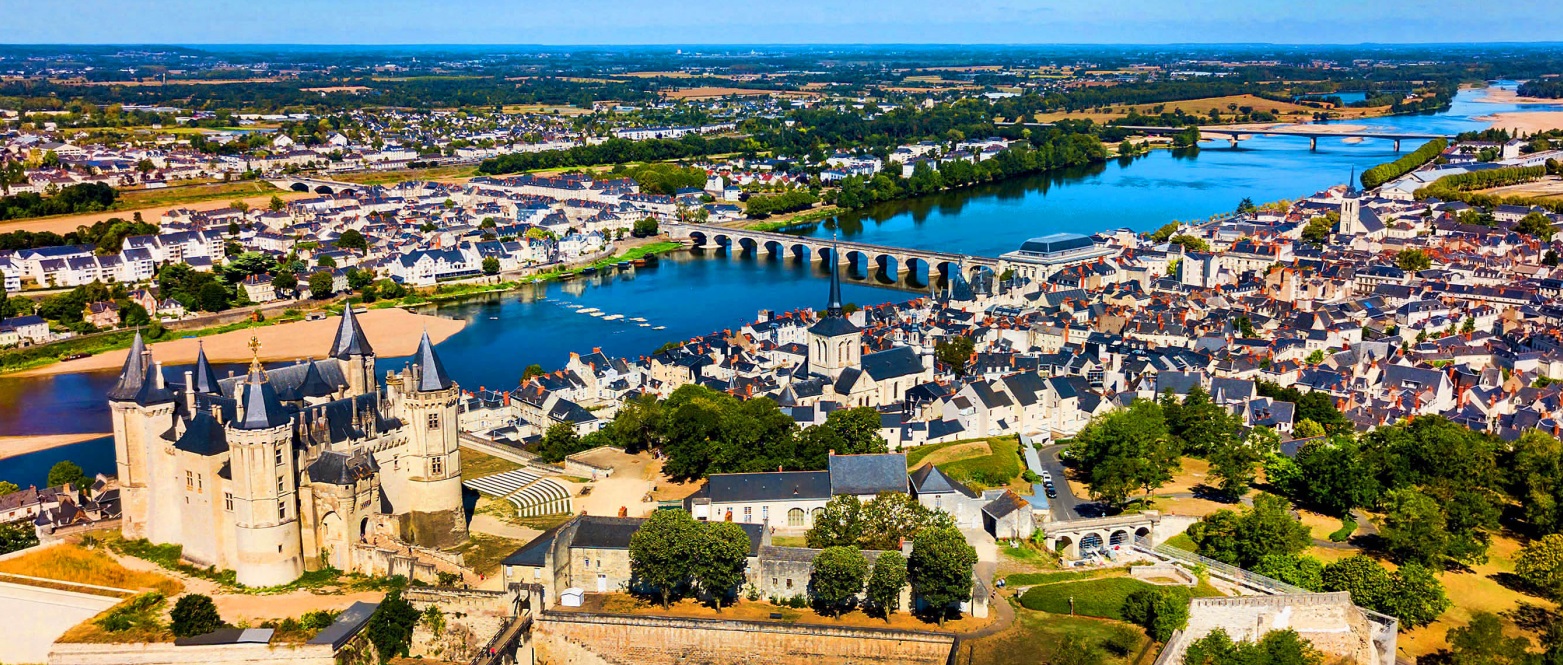
Saumur, a quintessential tourist destination. Indeed, this city on the banks of the Loire, with its dazzling white walls and iridescent blue roofs, unfolds the chapters of its history to the powerful and majestic rhythm of the river. A royal city and princely castle, a stronghold and Protestant intellectual center, an equestrian capital with a name evocative of sparkling or still wines—all these events and all this expertise are serenely reflected in the river as it flows against the limestone hillside.
Today, thanks to its exceptional heritage and the renown of the Cadre Noir and its vineyards, Saumur is a prime tourist destination that offers enriching encounters and unusual discoveries in a preserved environment . Classified as a Tourist Resort since January 17, 2014, its equestrian tradition and Loire Valley heritage have earned it a dual inscription on the UNESCO World Heritage List .
History & Heritage of Saumur
The possibility of crossing the river at the confluence of the Thouet led to early settlement of the site, even though the town's development in the 10th century from the establishment of the Saint-Florent monastery and a defensive tower by the Count of Blois. Attached first to the County of Anjou and then to the Plantagenet Empire , the town finally came under royal control in 1203, thus finding itself at the heart of the history of the Kingdom of France . The Hundred Years' War and the Wars of Religion resulted in significant fortifications, with Saumur serving as an advanced base for royal troops.
The town boasts beautiful houses and an imposing wall punctuated by crenellated towers, many of which were commissioned by royal families. The masterpiece is the ducal castle 14th-century princely palace built by Lohuis I, Duke of Anjou , brother of King Charles V, whose proud silhouette dominates the town. Wandering through the narrow streets of the historic quarter, visitors are charmed by half-timbered facades decorated with historical scenes, a finely sculpted dormer window, an overhanging watchtower, or the wrought-iron scrolls of a later balcony.
Often called the "second Geneva," the city hosted a Protestant academy during the military rule of Philippe Duplessis-Mornay , advisor to Henry IV. The Catholic Reformation, meanwhile, led to the establishment of numerous religious orders who embarked on the construction of convents and chapels. The chapel of Notre-Dame des Ardilliers , with its central plan and magnificent dome, is a prime example of the city's rich and varied architecture, encouraging visitors to explore the nearly sixty buildings listed or classified as Historical Monuments .
In the 18th and 19th centuries, the echo of horses' hooves, ridden by the students and officers of the Cavalry School, , while on the quays, goods and bargemen participated in the heyday of river trade . On flat-bottomed boats, strings of coconuts and barrels of wine, saltpeter, and sugar were transported and sold from Orléans to Nantes, towards Paris, or towards the Atlantic. The town grew, and large-scale urban development projects left a monumental and indelible mark on the city. The neoclassical theater with its imposing colonnade and the neo-Gothic town hall captivate visitors who, crossing the river, discover the Loire riverfront where tufa stone and slate stretch along the south bank.
Tourism
This exceptional concentration of public and private civil and religious monuments of significant heritage value has earned the city the designation of "City of Art and History ." The city's churches, mansions, Cavalry School, and museums offer a wealth of discoveries and diverse ways to delve into the heart of history. From the medieval enamels of the Château-Musée to the World War II vehicles of the Tank Museum , a journey through time is guaranteed.
The municipality and associations of Saumur know how to promote and showcase their heritage and expertise. Festivals, celebrations and concerts , a varied cultural program, as well as sporting competitions and trade fairs punctuate the calendar.
Activities and expertise
Among local products, Saumur wines undoubtedly attract both novices and connoisseurs eager to discover the secrets of crafting this divine nectar. Around thirty AOCs cover the Saumur region, and seven appellations include "Saumur" in their name, including Saumur-Champigny . From large wine houses to winemakers working diligently in their vineyards, all warmly welcome visitors who come to "taste Saumur."
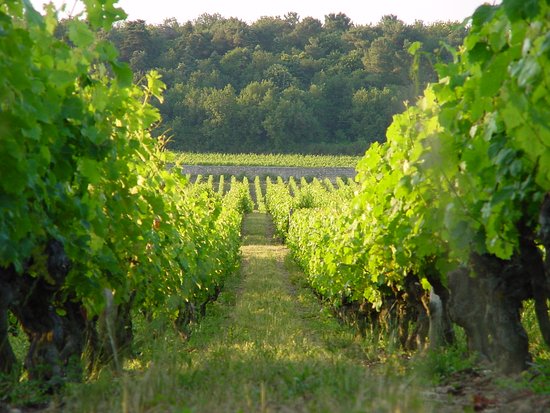
Of this journey undertaken from cellar to cellar, one must not neglect the detour to the old stills of Master Combier Paris mushroom flourishes
is typical of equestrian cities, where the gleaming boots and harnesses of the Cadre Noir parade in public, artisans such as the saddler-harness maker or the bootmaker work the leather in their workshops while those of the rosary makers in the Fenêt district have long been deserted; however, the jewelry tradition is still illustrated by a few establishments whose activity is geared towards the production of medals in particular and by the higher education programs in goldsmithing and jewelry .
Unmissable events
Every year, here are the unmissable events in Saumur:
- Festivini (June to September)
- Anjou Vélo Vintage , (in June)
- Carousel (Around July 14th)
- The Great Tables of Saumur-Champigny (July 31 – August 1)